AFFORDABLE HOUSING SHOULD HAVE A CULTURAL AND ARCHITECTURAL AMBITION
Symposium New Elan for Social Housing
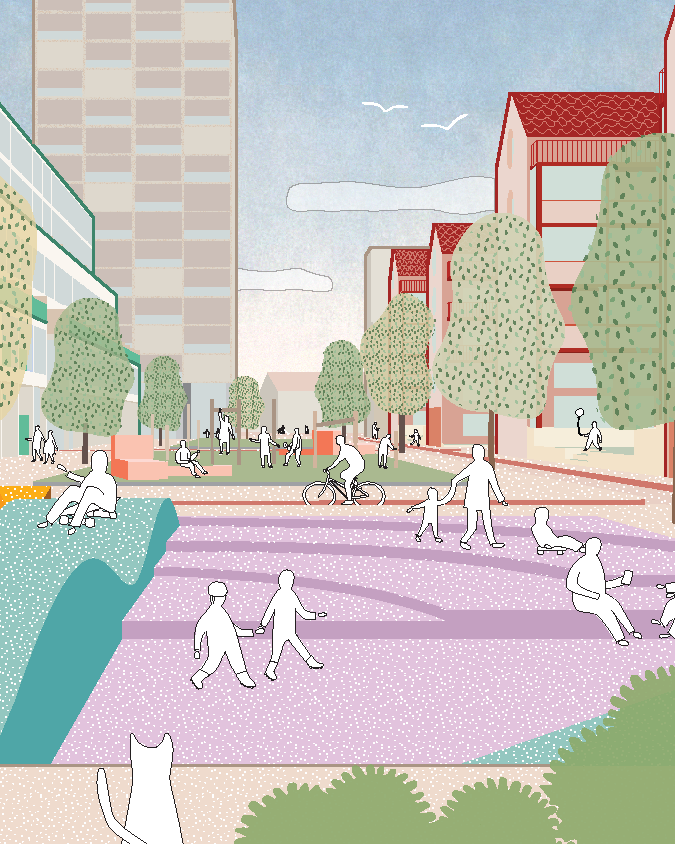
The transformation of existing social housing is becoming one of the most urgent architectural challenges in the Netherlands. Rather than demolishing and rebuilding, how can we upgrade the buildings we already have—improving energy performance, spatial quality and living conditions while preserving the communities and urban fabric they belong to?
This question was at the centre of a symposium organised by Architectenweb, MORE Architecture and Pakhuis de Zwijger, bringing together architects and housing professionals to explore the potential of renovation.
For decades, demolition and replacement have been a common response to the need for better housing and higher urban density. As …
DEMOLITION ERASES PARTS OF THE CITY’S HISTORY, DISRUPT ESTABLISHED COMMUNITIES AND DISCARD THE EMBODIED ENERGY AND MATERIALS OF EXISTING BUILDINGS
AFFORDABLE HOUSING SHOULD HAVE A CULTURAL AND ARCHITECTURAL AMBITION
Symposium New Elan for Social Housing
2023
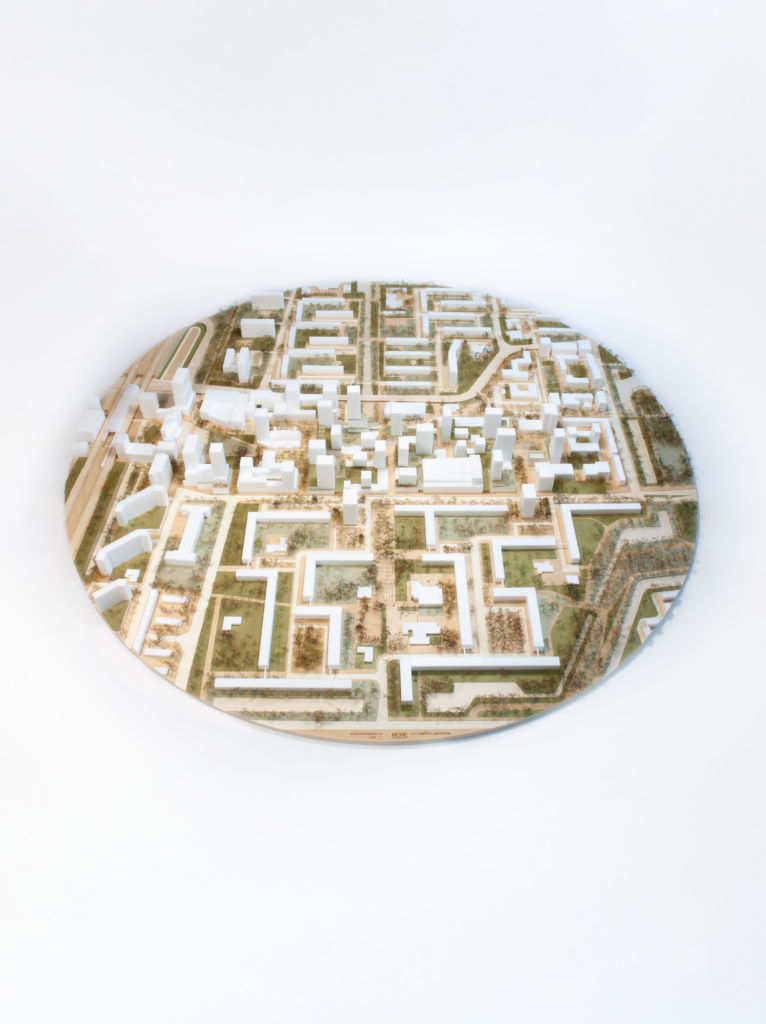
Buikslotermeerplein
Amsterdam, NL
Amsterdam, NL
2023
260.000 m²
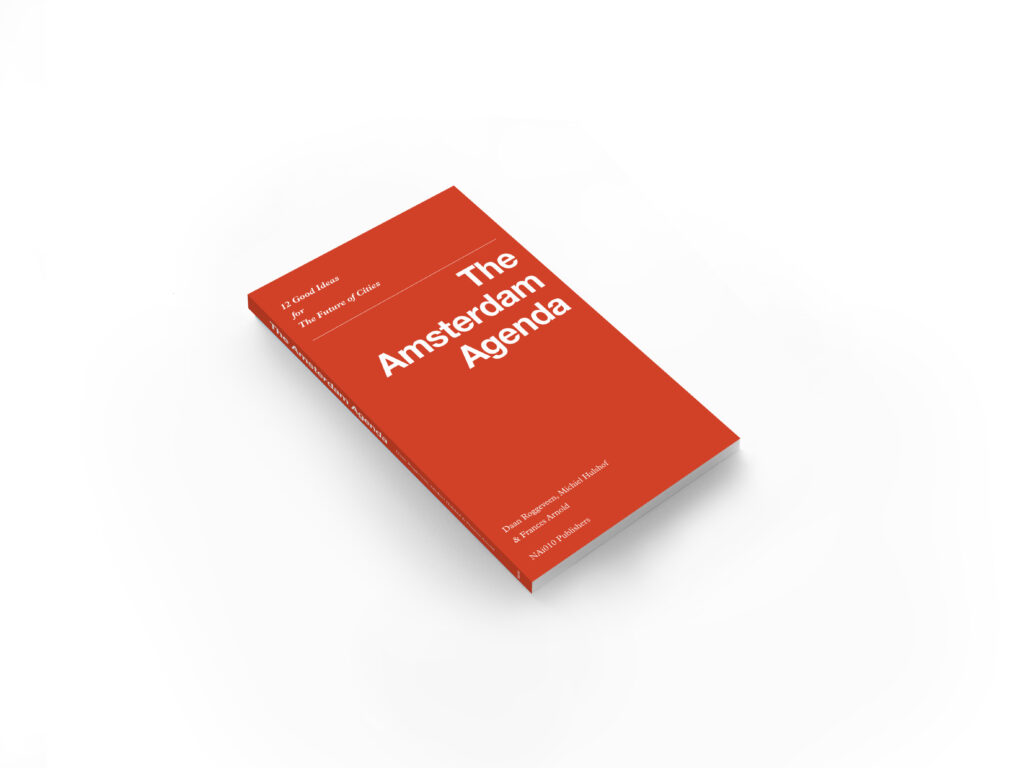
CHALLENGING TRADITIONAL IDEAS ABOUT PLANNING URBAN ENVIRONMENTS
Lecture series, Book The Amsterdam Agenda
2020
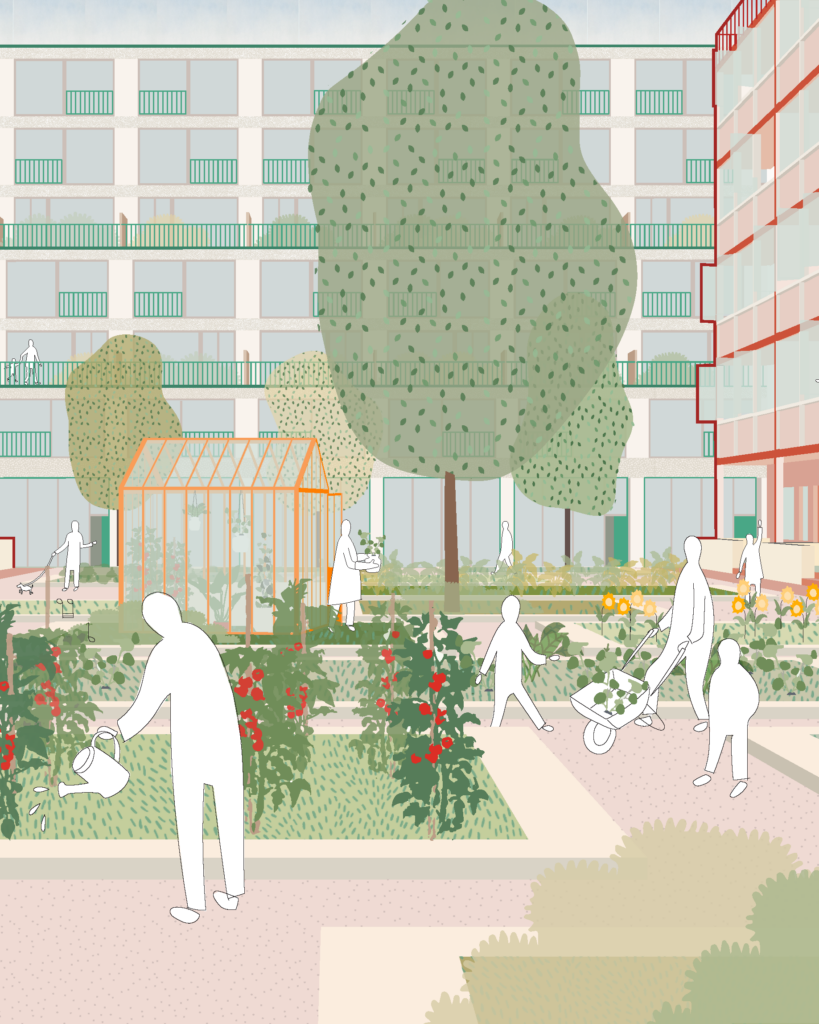
Ruychaver
Amsterdam, NL
Amsterdam, NL
2022 - 2023
38.000 m² / 445 apt