How can a creative district continue to evolve without losing the artistic energy that made it successful? City = Museum explores this question through a future vision for Beijing’s 798 Art District, one of China’s most influential cultural areas.
Initiated by MORE Architecture and MARS Architects, the project brings together leading international and Chinese experts from architecture, cultural management, business strategy and technology to develop a holistic approach for the future of 798. Contributors include OMA, McKinsey, Rockbund Art Museum and other creative practices, combining different perspectives on how culture, heritage and urban development can reinforce each other.
798 represents …
How can a creative district continue to evolve without losing the artistic energy that made it successful? City = Museum explores this question through a future vision for Beijing’s 798 Art District, one of China’s most influential cultural areas.
Initiated by MORE Architecture and MARS Architects, the project brings together leading international and Chinese experts from architecture, cultural management, business strategy and technology to develop a holistic approach for the future of 798. Contributors include OMA, McKinsey, Rockbund Art Museum and other creative practices, combining different perspectives on how culture, heritage and urban development can reinforce each other.
798 represents a wider challenge facing creative clusters around the world. Originally emerging from a former industrial complex, the district became a global destination for contemporary art and culture. Yet its success also created new pressures: rising land values, commercialisation and the gradual displacement of the artistic communities that shaped its identity.
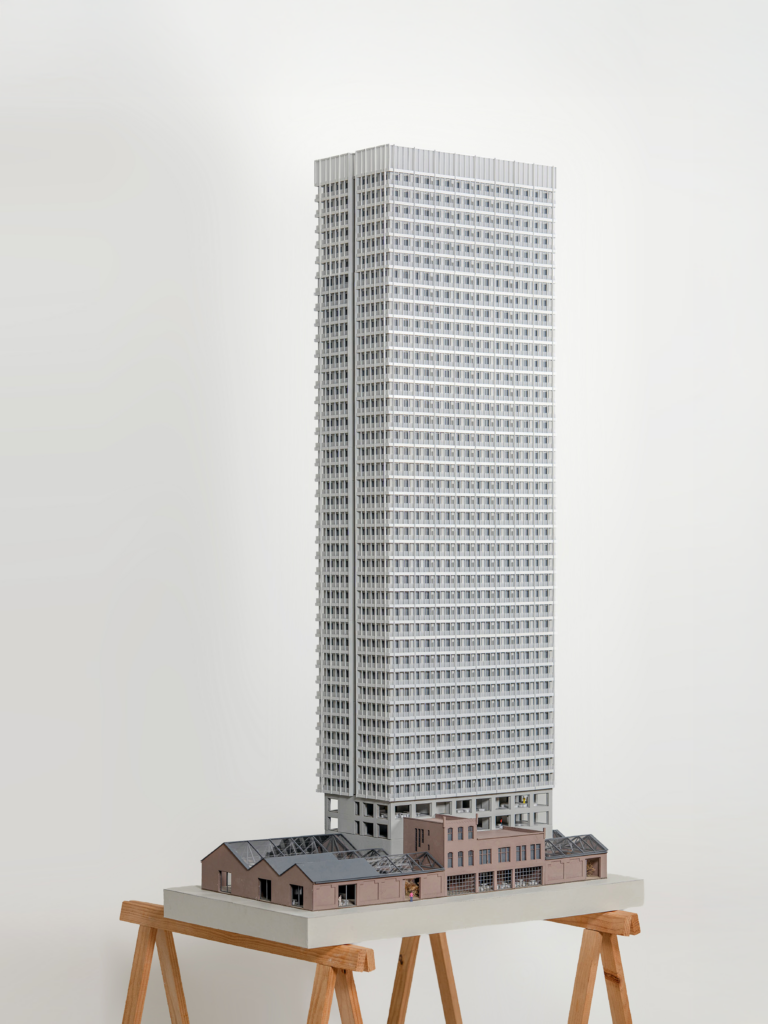
Through a collaborative design process, City = Museum investigates how planning can support creativity rather than replace it. The project proposes an alternative to conventional redevelopment models by integrating cultural programming, economic strategies, architectural heritage and new technologies.
Presented during Beijing Design Week, City = Museum was not a fixed masterplan, but an open platform for discussion about the future of creative urban districts. It asks a fundamental question for contemporary cities: how can we design the conditions for creativity to flourish while allowing places to transform?